Shield Your Investment: Why Smart Truck Owners Never Skip This Essential Upgrade
Every year, thousands of truck owners face costly repairs from preventable bed damage—scratches, rust, and dents that compromise both function and resale value. A truck bed liner is more than just a protective coating; it’s a critical defense system for one of the hardest-working parts of your vehicle. Whether you’re hauling construction materials in Dallas, camping gear in Denver, or landscaping tools in Detroit, your truck bed takes a beating. Without proper protection, moisture seeps into cracks, metal corrodes, and cargo shifts dangerously during transit.
Today’s advanced bed liners offer a seamless, durable barrier that resists abrasions, chemicals, and extreme weather conditions—common challenges no matter where you’re based. From spray-on polymers to precision-fit drop-in models, these solutions enhance grip, reduce noise, and preserve your truck’s payload capacity. You’ll learn how the right liner not only prevents long-term damage but also improves safety, maintains cleanliness, and ultimately saves time and money.
In this post, we’ll explore the top five advantages that make bed liners a must-have for truck owners nationwide—backed by real-world utility, not just marketing claims.
1. Protects Your Truck Bed from Damage and Rust
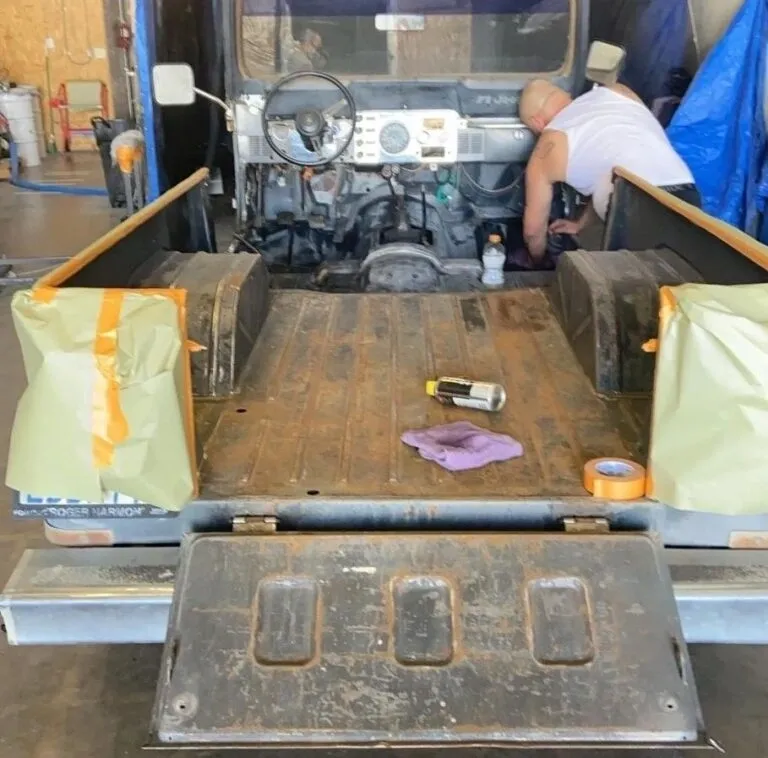
One of the most critical reasons truck owners invest in a bed liner is to shield the cargo area from daily wear and environmental threats. Without protection, metal truck beds are vulnerable to dents, scratches, and, over time, rust—especially in regions with high humidity or frequent winter road salting. A high-quality bed liner acts as a durable barrier, absorbing impact from heavy tools, construction materials, or outdoor gear. Whether you’re hauling landscaping stone in Texas or moving furniture in rainy Pacific Northwest conditions, the liner prevents direct metal-to-object contact. Modern spray-on and drop-in liners are formulated to resist UV rays, chemical corrosion, and temperature fluctuations common across diverse U.S. climates. This protection maintains the bed’s structural integrity and helps preserve factory finishes, which is essential when preparing to resell. For truck owners who use their vehicles for work or weekend adventures alike, this defense layer means fewer trips to body shops and less long-term repair cost. Look for liners with a non-slip texture to further enhance safety when loading and unloading.
2. Increases Resale Value by Maintaining Truck Condition
A well-maintained truck bed significantly boosts your vehicle’s resale appeal. Buyers shopping in cities like Denver, Atlanta, or Minneapolis often inspect the cargo area closely—any sign of rust, deep gouges, or corrosion can raise red flags and lead to lower offers. Installing a durable bed liner prevents cosmetic and structural damage that devalues the truck over time. Even if you’ve hauled heavy loads, gravel, or wet lumber, a properly applied liner keeps the underlying steel protected, making the truck appear newer and better cared for. Dealerships and private buyers alike recognize the investment in protection, often viewing lined trucks as better maintained overall. In competitive used truck markets, this small upgrade can be the difference between a quick sale at top dollar and prolonged listing times. For owners leasing or planning to trade in within a few years, avoiding excess wear fees is another financial perk. Unlike temporary solutions, a professionally installed liner lasts the life of the truck and blends seamlessly with the original design, preserving aesthetic consistency.
3. Enhances Safety with Non-Slip and Secure Cargo Surfaces
Hauling gear, tools, or outdoor equipment becomes considerably safer with a textured, non-slip truck bed surface. Standard metal beds can be dangerously slick, especially when wet from rain, melting snow, or hauling boats and coolers. A premium bed liner delivers superior traction, reducing the risk of shifting loads or slipping while arranging cargo. This is particularly valuable in areas prone to sudden weather changes, such as mountain passes or the Midwest plains, where icy or damp conditions are common. The enhanced grip helps secure items during transport, minimizing movement that could damage cargo or the truck itself. For DIYers, contractors, and outdoor enthusiasts alike, this safety improvement means confidence when loading heavy or awkward items—from ladders to ATVs. Many liners also offer customizable bumpers or raised edges to further contain materials. When selecting a liner, prioritize textures proven for slip resistance in both dry and wet conditions for maximum safety across all seasons. With improved stability, you reduce the risk of roadside clean-up calls and improve overall driving safety.
4. Reduces Maintenance and Cleaning Time for Busy Owners
Time is a valuable resource, especially for working professionals and active lifestyles that depend on a reliable truck. Traditional bare metal beds require frequent cleaning to prevent rust, grime buildup, and staining from chemicals or organic materials. A properly installed bed liner simplifies upkeep with a seamless, non-porous surface that resists moisture absorption and makes washing a breeze. Most liners only need a hose-down or quick scrub with mild soap to look like new—no scrubbing through rust pits or stubborn debris. This low-maintenance feature is ideal for contractors rushing between job sites in Houston, outdoor adventurers hauling muddy gear in Colorado, or families prepping for weekend trips across the Southeast. The sealed coating also prevents dirt, salt, and fertilizer from corroding the bed over time, reducing long-term repair needs. Unlike bed mats that shift or trap moisture underneath, spray-on liners provide full coverage without hidden pockets for mold or odor. With less time spent worrying about bed condition, owners can focus on productivity and peace of mind.
5. Offers Customization and Enhanced Truck Aesthetics
Modern truck bed liners go beyond utility—they elevate the look and functionality of your vehicle with customizable options. Available in various colors, textures, and finishes, today’s liners can match factory paint or create a bold contrast that turns heads at job sites or tailgate events. Whether you prefer a rugged matte finish or a sleek, high-gloss coating, personalization helps your truck stand out while maintaining professionalism for service-based businesses. Some liners even integrate with bed accessories like track systems, lighting, or divider panels for a fully optimized cargo area. In urban areas like Phoenix or Chicago, where trucks are both tools and personal expressions, appearance matters. A clean, seamless liner enhances curb appeal and projects attention to detail. Beyond color, texture options improve grip and sound dampening, reducing road noise during highway drives. With easy application on most truck models—from full-size pickups to midsize builds—upgrading your bed finish is a smart way to reflect your style while gaining lasting protection.
Common Questions About Truck Bed Liner Installation and Maintenance
Truck bed liners are a smart investment for truck owners looking to protect their cargo area from scratches, rust, and wear. However, many buyers have practical concerns about how these systems are applied, maintained, and how long they last in real-world conditions. Here’s a breakdown of frequently asked questions to help you make informed decisions.
How long does a professional truck bed liner installation take?
Most professional spray-in applications take 2–4 hours, including surface prep, application, and cure time before the truck can be used. Installation time can vary based on weather conditions and whether additional surface repairs are needed beforehand.
Can I install a bed liner myself, or should I go professional?
While DIY kits are available, professional installation ensures even coverage, proper surface adhesion, and a factory-like finish—especially important for spray-on polyurethane or polyurea liners.
How do I clean and maintain my truck bed liner?
Use mild soap and water with a soft brush. Avoid harsh solvents or pressure washing directly on the liner edges, which can degrade the coating over time.
Does temperature affect bed liner performance?
Yes. Extreme heat or cold can impact application if done improperly, but once cured, modern bed liners withstand local climate ranges—from scorching summer heat in desert regions to freezing winters in northern states.
How long do truck bed liners last?
With proper care, most high-quality spray-on liners last 10+ years, even under heavy use. Check for chips or lifting annually to catch issues early.
Can a damaged bed liner be repaired?
Yes. Small cracks or peeling sections can be sanded and resprayed by a technician, restoring full protection without needing a complete reapplication.
Will a bed liner void my truck’s warranty?
No. Most reputable bed lining products are non-invasive and do not affect manufacturer warranties when installed correctly.
Exploring the Most Popular Types of Truck Bed Liners on the Market
When it comes to protecting your truck bed from dents, scratches, and corrosion, not all bed liners are created equal. Understanding the key differences between available options helps you make an informed decision based on durability, application method, and long-term value.
Spray-on liners offer a seamless, custom fit by chemically bonding to the truck bed’s factory metal. These liners excel in preventing rust and provide a non-slip surface, making them ideal for drivers in humid or snowy climates where moisture exposure is high. However, they require professional installation and longer cure times.
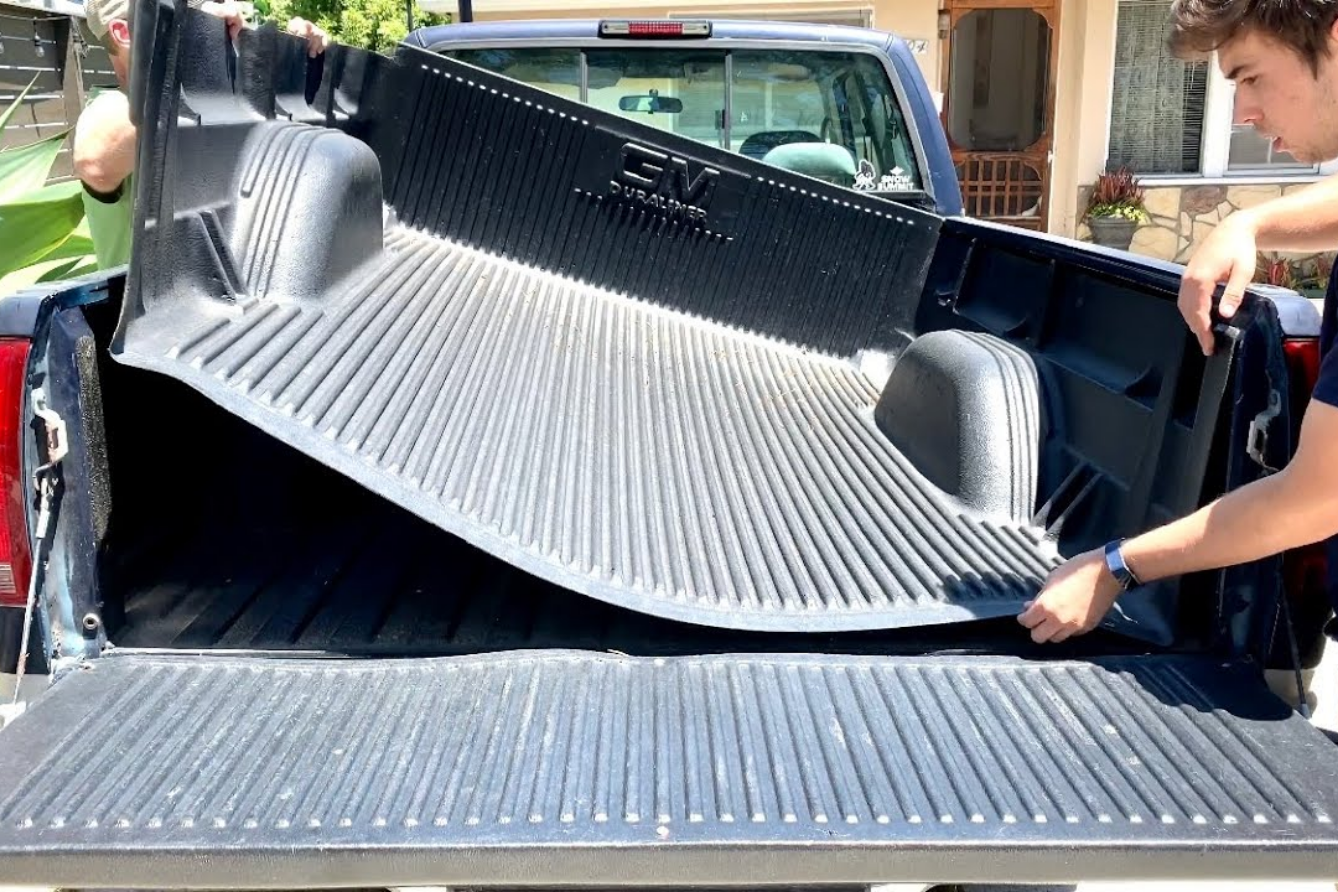
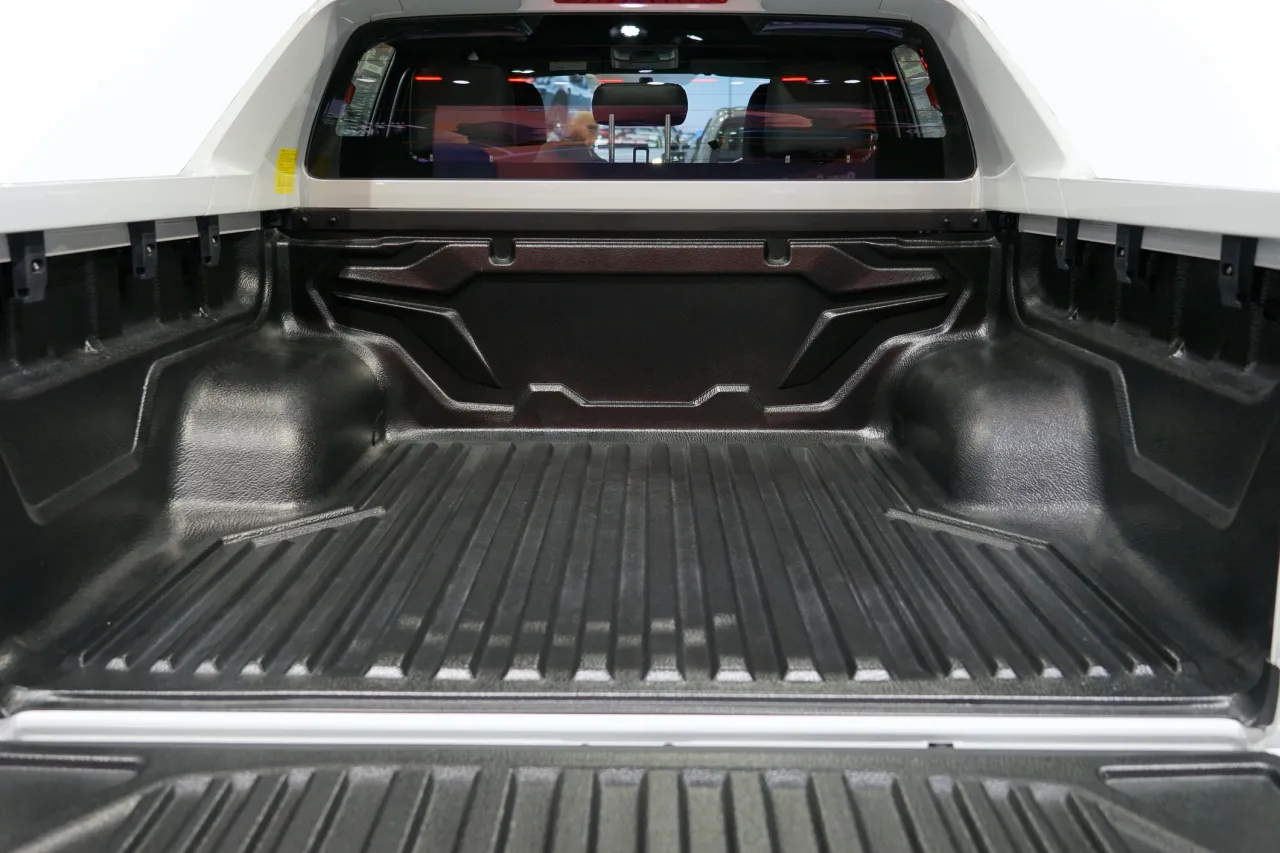
Pad-in or drop-in liners are pre-molded to fit specific truck models. Made from heavy-duty polymers, they’re removable and easy to clean—great for users who frequently haul debris or need to switch between work and personal use. While durable, they may shift under heavy loads and leave gaps where water can pool.
Rubber or mat-style liners are cost-effective and portable, typically covering flat surfaces rather than contours. They’re useful for light hauling but lack full-bed protection and can bunch or wear over time.
Each type balances protection, price, and practicality. For maximum longevity and weather resistance, especially in regions with extreme seasonal changes, spray-on systems often offer superior performance. Always match your choice to your hauling habits and local environmental conditions.
How to Choose the Right Bed Liner for Your Specific Truck Model and Needs
Selecting the perfect bed liner starts with understanding your truck’s make, model, and intended use. With so many options available, a one-size-fits-all approach won’t deliver the protection you need. Follow these steps to make an informed decision tailored to your vehicle and lifestyle.
- Identify Your Truck’s Exact Specifications
Start by noting your truck’s year, make, model, and bed size (e.g., 5.5 ft short bed, 6.5 ft custom bed). This ensures compatibility, especially for spray-on or precision-fit drop-in liners widely used across truck owners in states like Texas and California. - Determine Your Usage Needs
Are you hauling heavy equipment, towing job materials, or using your truck for weekend adventures? High-impact jobs call for durable spray-on polyurethane or polyurea coatings, while occasional use may suit molded drop-in liners. - Choose the Liner Type
Compare spray-on, drop-in, and bed rugs. Spray-on offers seamless protection and rust resistance. Drop-ins are removable and DIY-friendly. Bed rugs provide cargo control and easy cleaning. - Assess Installation Options
Professional installation ensures a flawless spray-on finish, while drop-in liners can often be set up at home. Consider local service availability if opting for professional application. - Factor in Long-Term Maintenance
Look for UV-resistant, non-slip coatings that won’t peel over time. Cleanability and weather resistance are key, especially in regions with heavy rain or summer heat.
Protect Your Investment and Maximize Your Truck’s Lifespan
Truck bed liners aren’t just an add-on—they’re a critical layer of defense for one of your most valuable assets. As we’ve explored, protecting your truck bed pays dividends through long-term durability, resale value preservation, and day-to-day functionality. From shielding against rust and dents to preventing cargo from shifting during transit, a high-quality liner tackles the toughest challenges truck owners face—especially in rugged environments across the U.S.
Whether you’re hauling tools in Texas, equipment in the Pacific Northwest, or landscaping materials in the Midwest, road debris, moisture, and heavy loads take a toll. A reliable bed liner stops corrosion before it starts, keeps your cargo secure, and maintains a clean, professional appearance that reflects well on any job site.
To get the most out of your truck:
- Assess your typical hauling needs—construction gear, outdoor gear, or frequent DIY loads
- Choose the right liner type: spray-on, drop-in, or fitted mats
- Prioritize UV and chemical resistance, especially in high-sun or industrial areas
- Schedule professional application when possible to ensure seamless coverage
Don’t wait until damage appears. Proactively protect your truck bed now to avoid costly repairs later. Explore installation options in your local area and discover how a durable liner can transform your truck’s performance and longevity. Your truck works hard—make sure its bed is built to keep up.